“What is natural cannot be immoral.”
Psychotherapy in NYC, New Haven, and via Telehealth
I offer psychotherapy for individuals seeking a deeper understanding of themselves and their lives.
Many people come to therapy with a sense that something is not quite right. They may notice repeated patterns in relationships, persistent feelings of anxiety or depression, or a more diffuse sense of dissatisfaction or disconnection. These experiences are often not random. Over time, they begin to reveal underlying patterns in how we relate to ourselves and others.
Psychotherapy provides a space to examine these patterns carefully and in-depth. Rather than focusing only on symptom relief or short-term solutions, our work is oriented toward understanding the meanings and histories that shape your experience. This process often unfolds gradually, through sustained attention to thoughts, feelings, past experiences, as well as to the therapeutic relationship itself.
My approach is informed by psychoanalytic and existential traditions. I am interested in how earlier experiences, often outside of conscious awareness, continue to influence present life. These experiences often cohere around such domains as intimacy, identity, and desire.
I have extensive experience working with LGBTQ+ individuals, and many of the people I work with are engaged with questions of identity, desire, and belonging. I approach these concerns as integral to the person’s broader psychological life, rather than as isolated issues, and aim to create a space in which they can be explored with openness, depth and an affirmation of individual autonomy and self-determination.
I offer sessions in person in the New Haven area and in NYC via secure telehealth. I am authorized to provide telehealth services in multiple states through PSYPACT, which allows for continuity of care across locations.
Many of the individuals I work with maintain demanding professional or academic schedules, relocate over time, or travel frequently. Telehealth makes it possible to sustain ongoing work under these conditions, while preserving the consistency that meaningful psychotherapy requires.
Sessions are typically held on a weekly basis.

The Muses Leaving their Father Apollo by Gustave Moreau
My Approach
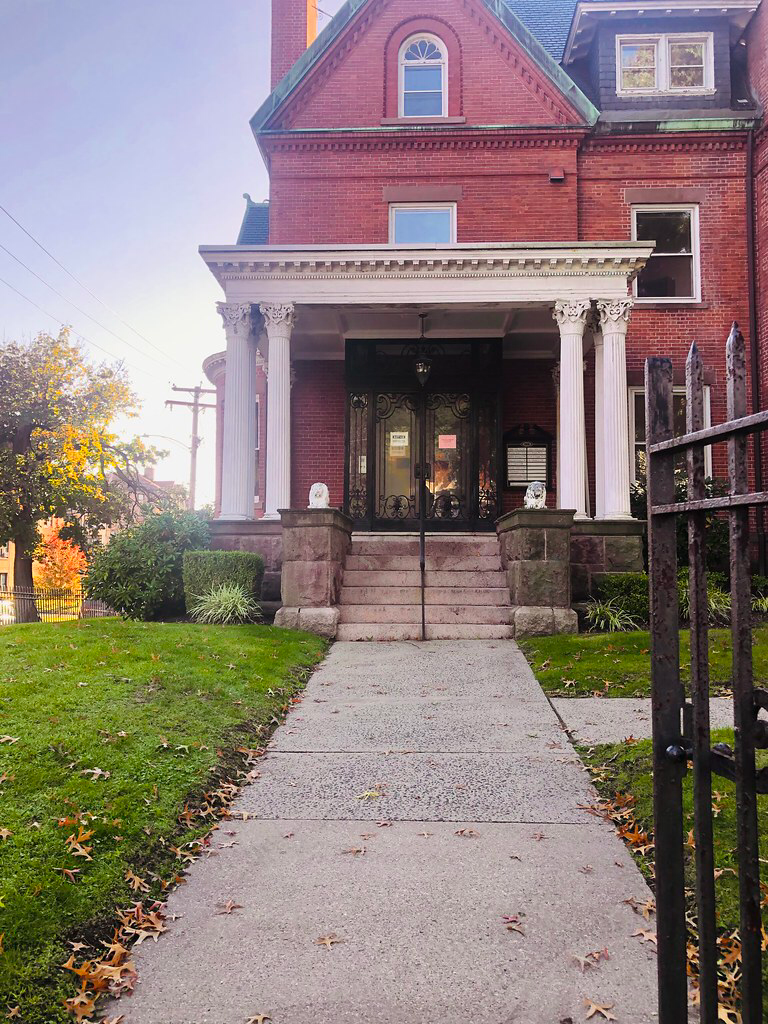
389 Whitney Ave., New Haven
My work is informed by psychoanalytic and existential traditions, which share a commitment to understanding the complexity of human experience beyond what is immediately visible.
Rather than approaching difficulties as isolated symptoms to be eliminated, I understand them as meaningful expressions that emerge within a person’s history, relationships, and ways of being in the world. Feelings such as anxiety, depression, or dissatisfaction often reflect patterns that have developed over time. These patterns may have been necessary to see you through difficult time in your life, but they also may no longer serve you in the present. It can be difficult to make the transition from living as a survivor to living as someone who has survived.
In our work together, we will attend closely to your experience as it unfolds, both in your life outside of therapy and within the context of the therapy relationship. Over time, recurring themes often become clearer, such as ways of relating to others, expectations about yourself, and forms of conflict or tension that may not be fully conscious.
This work requires time, consistency, and a willingness to reflect, but yields a deeper sense of freedom and authorship over one’s life. Through this process of depth psychotherapy, you can feel less constrained by patterns that once felt inevitable, and more able to live in a way that feels genuine and spontaneous.
While I draw from psychoanalytic thinking, my approach is not rigid or doctrinaire. I aim to meet each person as they are, and to allow the work to develop in a way that is responsive to their particular concerns and questions.
I work with individuals who are interested in a more reflective and in-depth approach to psychotherapy.
Many of the people I see are navigating:
recurring difficulties in relationships
questions about identity or direction
persistent feelings of anxiety, depression, or dissatisfaction
a sense of being constrained by patterns that are not fully understood
I also work with students, professionals, and individuals in periods of transition, including those moving between cities or phases of life.
This work tends to be most meaningful for those who are willing to engage in a sustained process of reflection, rather than seeking immediate or purely solution-focused outcomes.
Professional Affiliations:
American Psychological Association, Society for Psychoanalysis and Psychoanalytic Psychology
The New School for Existential Psychoanalysis
Connecticut Society for Psychoanalytic Psychology
The National Register of Health Service Psychologists
“Caring for myself is not self-indulgence, it is self preservation, and that is an act of political warfare. ”
About Me

I am a licensed psychologist with doctoral training in psychodynamic and psychoanalytic psychotherapy. I completed my doctoral training at the Ferkauf Graduate School of Psychology, Albert Einstein College of Medicine of Yeshiva University. My work is informed by a longstanding interest in the relationship between psychology and philosophy, which I began exploring during earlier graduate study at Union Theological Seminary, where I engaged with Jungian thought, existential philosophy, and queer theory.
As an adult, I encountered the work of R. D. Laing, whose writing had a lasting influence on my approach. Laing emphasized understanding psychological suffering within the context of a person’s relationships, history, and social environment, rather than reducing it to isolated symptoms. He advocated for a form of therapeutic engagement that is non-judgmental and oriented toward encountering the individual as a whole person.
This perspective continues to shape my work. I aim to create a space in which thoughts, feelings, and experiences can be explored in depth, with attention to how patterns of relationship, identity, and desire develop over time. The therapeutic relationship itself often becomes an important space in which these patterns can be observed and understood. Questions of identity, desire, and belonging are central to much of my work. This work typically unfolds over time, through regular meetings and sustained attention to experience as it develops. Finally, as a member of the LGBTQ+ community, I am extensively involved in work with, as well as advocacy for, my community.
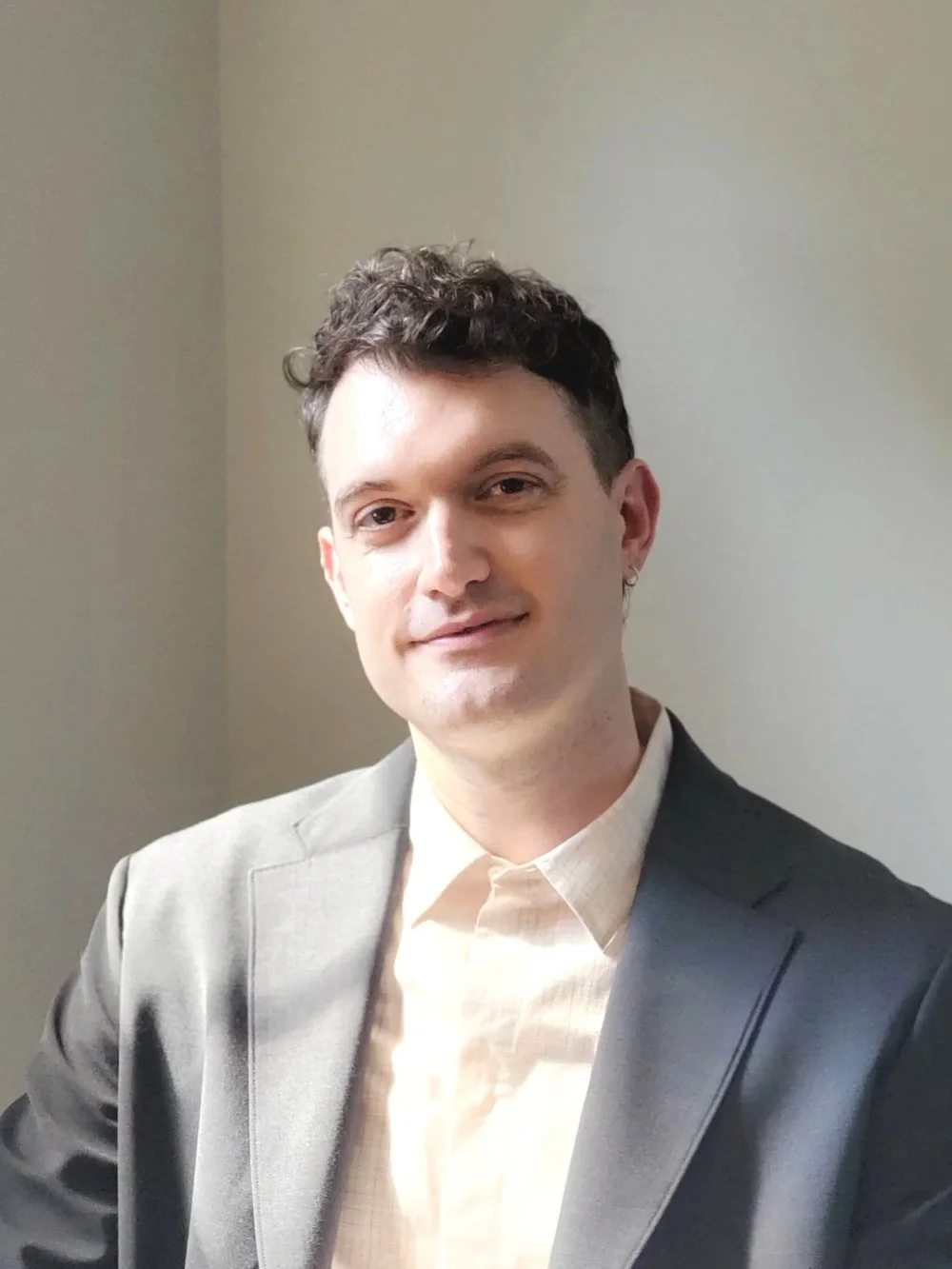
Dr. C. S. Hovey
“Psychotherapy must remain an obstinate attempt of two people to recover the wholeness of being human through the relationship between them. ”
Contact